
Reading the rhythm of a Cairns session
You think the machine decides when you leave. You are wrong. The machine only decides when it pays; your habits decide when the money stops moving. I have spent fifteen years watching reels settle and players chase the next signal, and the pattern is always the same: a budget punter in Cairns walks into a local room with fifty dollars in his pocket and a ceiling already drawn in his head, then spends the next hour trading discipline for a feeling. That feeling is what gaming pattern casino analysis Australia actually studies, not the spin itself but the human stuff around it. When you understand the rhythm of a single session, you stop treating every loss like a message and start seeing it for what it is: a cost you agreed to pay before you sat down.
The humidity in Cairns hangs heavy enough to make you drink faster than you think, and the pokies room near the Esplanade fills up after the afternoon heat breaks. You take a seat near the window because you want air, not because you want luck. Your phone buzzes with a PayID confirmation from the transfer you sent that morning, and you tell yourself the timing is fine because the funds landed before you needed them. What you do not notice is how the room’s noise shapes your pace, how the glare on the screen makes you misread a bonus line, and how the first ten minutes set the tone for the whole hour. I have built math models that assume rational players; they never do, and the gap between the model and the person is where the money goes.
Where does a session actually begin?
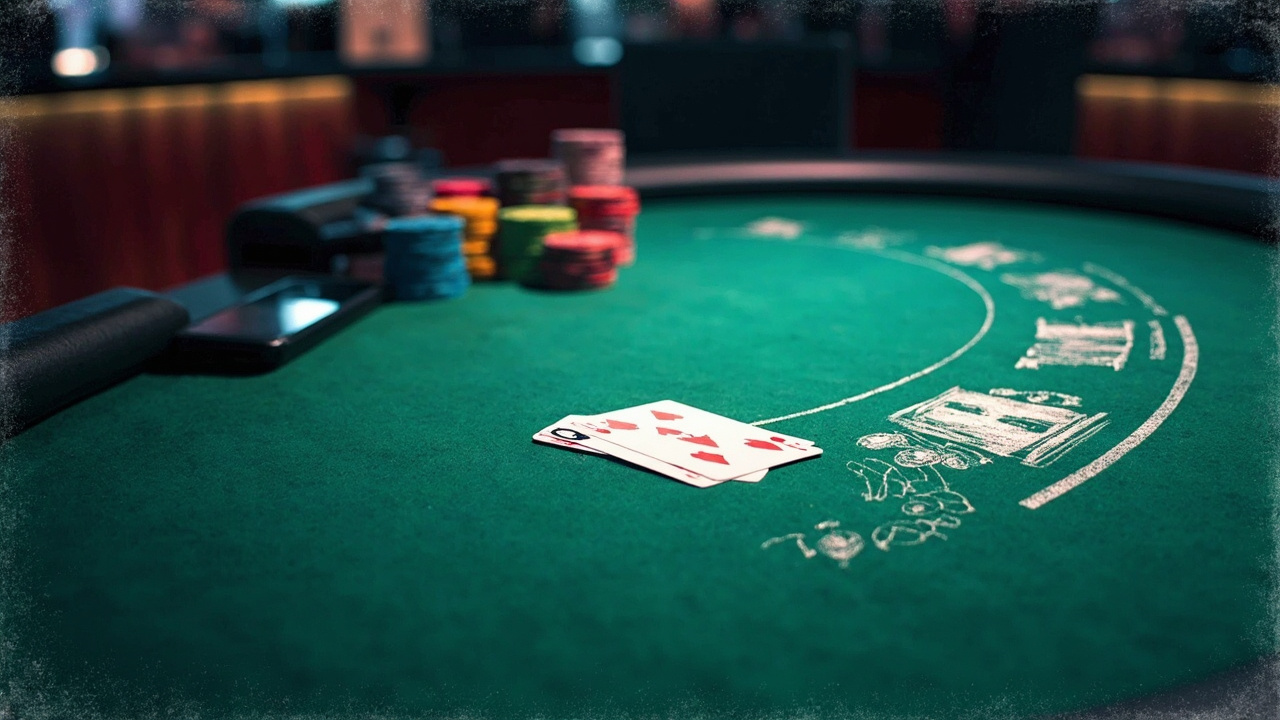
A session begins before you touch a machine, in the quiet moment when you decide what you are willing to lose and what you will do when you hit it. Say you deposit fifty dollars on a Tuesday morning and set a hard stop at thirty before you walk into the room, because the number matters less than the rule attached to it. I have written specifications for game logic that treat every bet as an independent event, yet real players treat every loss as a reason to change pace, and that change is where the pattern breaks. You can measure the first twenty minutes by how often you check your balance instead of watching the screen, because that check rate tells you whether you are playing the game or playing your nerves. The trick is to treat the opening as a calibration phase, not a winning phase, and to accept that calibration costs money you already meant to spend.
Can you read a machine by its short history?
You cannot, and the people who claim otherwise are selling you a story. A machine that paid out yesterday does not owe you anything today, and the short streak you watched from the bar stool is just noise dressed up as a signal. What you can read is your own reaction to that noise, because the way you lean in after a near-miss tells you more about your session than the screen ever will. I have run simulations where the same reel strip produces wildly different player outcomes depending on how often the player raises the stake after a dry patch, and the math does not care about your mood. If you want to judge a machine honestly, watch it for a fixed window of fifty spins at your intended stake and note the frequency of bonus triggers, not the size of the wins, because frequency is what shapes your patience.
How long should a budget player stay seated?
Long enough to collect data, short enough to leave when the data stops changing. A budget player who stays for three hours usually pays for the privilege of boredom, not for the chance of a return, and the extra time quietly eats the ceiling you set at the start. I have seen players lose their edge not because the game turned cold but because they kept re-entering after every small recovery, and each re-entry reset the clock on their discipline. Give yourself a clean window of forty-five minutes at наш веб-ресурс your normal stake, then step away for ten minutes even if you are ahead, because the break breaks the rhythm that turns a plan into a chase. If you are counting cards at a table, the timing matters even more, because deeper penetration benefits skilled card counters and a rushed exit throws away the information you have already paid to gather.
What do payment habits change about the pattern?
They change the speed at which you can act on a decision, and speed is the hidden variable most players never measure. A bank transfer that lands late in the afternoon can make you sit longer than you planned because you are waiting for funds that have already moved on the bank’s clock, while a card block on a Wednesday evening can end a session before you have even chosen a machine. I have watched players bend their betting pattern around payment timing instead of around their own limits, and that is a bad trade because the money’s arrival date is not a strategy. If you use BPAY for a planned top-up, schedule it so the funds arrive before you sit down, not during the session when a late confirmation will tempt you to chase. Some players also check a site like rolliequaid.com to compare how different payment routes behave in practice, because the route affects the rhythm as much as the stake does.
Which local details actually shape the night?
The Esplanade breeze at dusk cools the room just enough to make you stay longer, and the Friday crowd near the waterfront pushes you into machines you would normally skip because every seat is taken. A Cairns punter who plans around the weather and the crowd instead of around a number is already playing a different game, and the difference shows up in the session’s tail. I have designed games for markets where the room conditions are part of the product, and the lesson carries over: if the environment keeps pulling you back in, you need a rule that does not rely on your mood. Write your exit condition on a card in your wallet and read it when the room gets loud, because a written rule survives the noise better than a thought you keep rehearsing. The same discipline matters at the table, where Andrew Edwards, Digital Acquisition Director at Southern Capital Advisory, has noted that player acquisition works best when the entry point matches the player’s actual budget rather than the headline bonus.
When does a pattern become a problem?
A pattern becomes a problem the moment you start adjusting your stake to recover a loss instead of to fit your budget, and that moment is usually invisible until you look back at it. You can spot it early if you notice yourself explaining the last ten minutes to yourself out loud, because explanation is the first sign that you have stopped playing and started justifying. Harrison Hill, Compliance Director at Southern Reef Gaming, has warned that compliance work often starts with the same observation: the risky sessions are the ones where the player’s story about the game replaces the game itself. If you find yourself raising the bet after a dry run to force a result, stop and reset to your original stake for the next twenty spins, because a forced result is not a strategy and the math will not reward the impulse. Players who want an outside view sometimes read a casino industry news piece to see how other rooms handle pacing and limits, because a second perspective can catch a drift you have already normalised.
What should a budget player track instead of wins?
Track the number of spins you took at your planned stake, the number of times you checked your balance, and the number of times you broke your own exit rule, because those three numbers tell you whether the session was a game or a leak. A budget player who only records wins will always remember the one good hour and forget the five quiet ones that paid for it, and the memory will mislead the next session before it starts. I have built reporting screens that show the distribution of stake changes over time, and the players who improve are the ones who study their own drift rather than the machine’s payouts. Keep a note on your phone with four simple items to check before you sit down:
- Write your loss limit and your time limit on the same line so you cannot separate them.
- Decide your stake before you see the room and refuse to change it for the first thirty minutes.
- Pick a machine by its bonus frequency at your stake, not by the size of its last payout.
- Set a phone alarm for your exit window and treat it as a hard stop, not a suggestion.
- Log the number of balance checks you made so you can see whether nerves drove the pace.
Keep a second note for the session itself with four things to record while you play:
- Count every stake change and the reason you gave yourself at the time.
- Mark the exact minute you first thought about breaking your exit rule.
- Note whether the room noise or the screen glare changed your pace.
- Record the final balance against your starting limit so you can compare sessions honestly.
How does mobile play differ from sitting at a machine?
Mobile play removes the room’s cues and replaces them with your own distractions, which means the pattern shifts from a social rhythm to a private one. You can play on the train home from Cairns to Port Douglas and lose track of time because the screen is small and the session feels quiet, but the quiet is deceptive because the absence of a room clock makes your exit rule easier to ignore. I have tested the same game on both formats and found that the mobile player tends to extend the session by checking the balance less often, simply because the phone sits in the hand and the room does not interrupt. The comparison below shows what changes between the two formats when you keep the stake and the limit identical, because the format changes the pattern even when the game does not.
| Factor | Mobile play | Desktop or room play |
|---|---|---|
| Session clock | Easy to lose track without a visible room clock | Room cues and staff presence make time more obvious |
| Balance checks | Fewer checks because the screen stays in hand | More frequent checks when the machine sits across the room |
| Distraction source | Notifications and travel break focus | Crowd noise and nearby wins break focus differently |
| Exit discipline | Harder to enforce when you are alone | Easier to enforce when you can physically stand up |
The table shows that the same limit behaves differently depending on where you play it, and the difference matters because a budget player who switches formats without adjusting the rule usually switches the risk as well. If you move from a room to a phone, shorten the window or raise the number of balance checks, because the format change is not neutral and the pattern will drift unless you anchor it again.
I still think about that first punter with the fifty dollars and the ceiling drawn in his head, because the session that mattered was never the one that paid out but the one where he left before the ceiling moved. You can watch a hundred machines and learn nothing, or you can watch one session and learn the shape of your own habits, and the shape is what decides whether the money comes back or stays gone. The Cairns humidity will still hang heavy at dusk, the PayID transfer will still land on the bank’s clock, and the room will still fill after the heat breaks, but the only thing you control is whether you read the pattern before it reads you.



Leave a Reply